Melbourne winters are mild by national standards, but they still bring real challenges for timber floors: more rain tracked in, wet shoes and boots, heating that dries the air out, and reduced ventilation. Here’s how to protect your floors through the cooler months.
1. Manage Entry Points Carefully
Winter is the number one time for water and dirt to be tracked in from outside. Melbourne’s frequent winter showers mean wet shoes are coming through the door every day.
What to do:- Place large, absorbent doormats at every entry point
- Have a boot/shoe removal area near the door
- Keep a dry cloth near the entry for quick wipe-ups
- Check doormats regularly — a saturated mat does more harm than good
2. Address Heating and Humidity
Heating your home in winter significantly reduces indoor humidity, which can cause timber floors to dry out and contract — resulting in gaps between boards. This is normal and typically reverses in spring.
What to do:- Use a humidifier if your home is heated heavily
- Aim for indoor relative humidity of 40–60%
- Avoid pointing heaters directly at timber floors
- Don’t close off rooms with timber floors from the heat
3. Watch for Wet Boots and Mop Spills
Winter means boots, wet school bags on the floor, and more frequent mopping from mud. All of these introduce moisture.
What to do:- Mop up any puddles or drips immediately
- Never leave wet items sitting on timber floors
- When mopping, use a barely-damp mop — never wet
- Clean up pet paw prints promptly
4. Check Under Door Thresholds
If your home has internal or external door thresholds where water can pool during heavy rain, check these regularly in winter. Water sitting at a threshold can penetrate under the floor and cause serious damage over time.
5. Inspect for Cupping
After Melbourne’s wettest winter months, check your floors for any signs of cupping (boards curving up at edges). Mild seasonal cupping is normal and usually resolves as humidity stabilises. If cupping is severe or persistent, call us for an assessment.
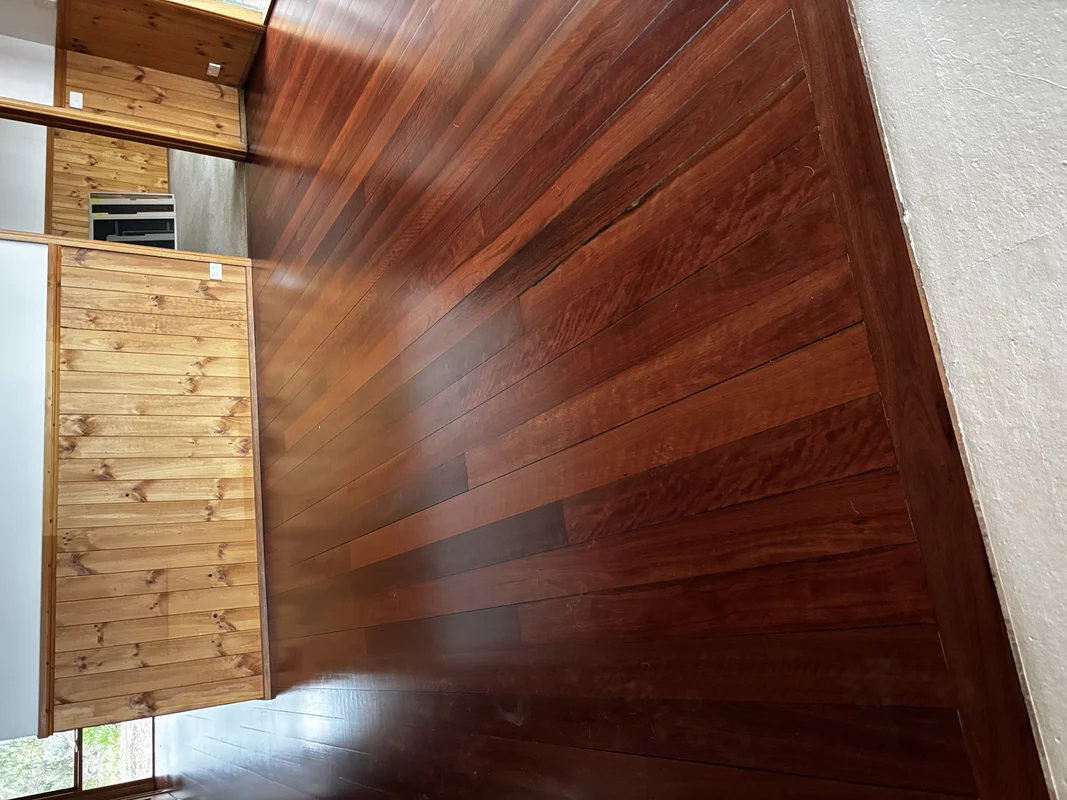
6. Winter Is a Good Time to Book Sanding
Counterintuitively, Melbourne’s autumn and early winter (before June) is a good time to book floor sanding:
- Less competition for appointments than spring
- Dry periods in May are ideal for curing
- Get floors ready for winter entertaining
June and July are generally our least recommended months for sanding due to cold temperatures affecting finish curing times. Late May and August/September are fine.
Need Advice About Your Floors?
Good Flooring is happy to answer questions about your floors year-round. Whether it’s winter maintenance advice or booking a sand and polish for the spring rush, we’re here to help.
📞 Call us for a free consultation